
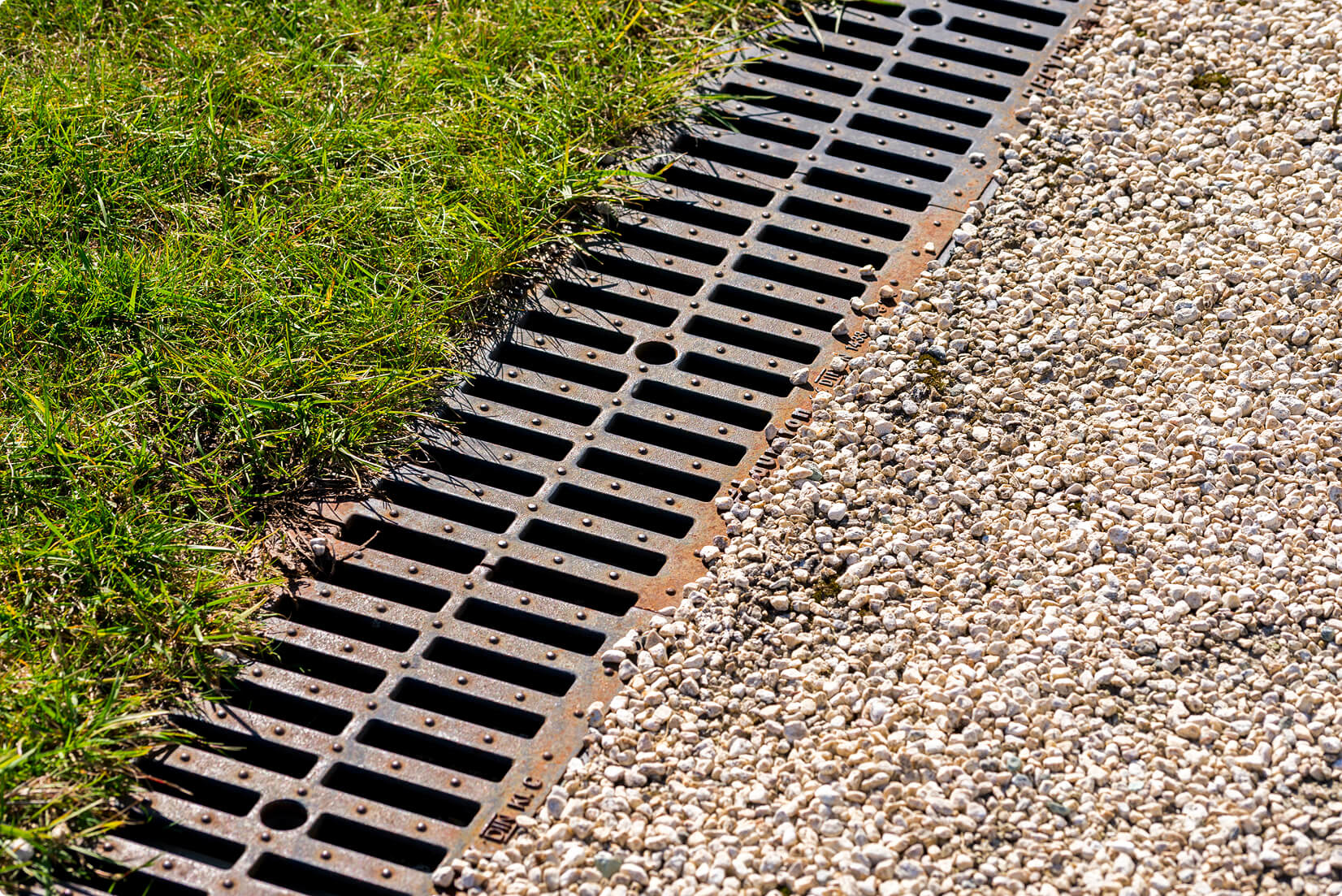
Channel Drainage goes by various names including; Channel Drains, Trench Drains, Drainage Channels, Aco Drains, Linear Drains which tend to be some of the more popular terms used in the trade. However they all generally describe the same type of drainage which comprises of a manufactured channel that is usually fitted with a purpose made grating, both combine as a unit designed for subsurface installation so as to accept surface water run-off from surrounding areas.
Why Do I Need It?
There are many situations where water run-off, if left unchecked, would otherwise accumulate and cause significant problems ranging from localised slab ponding (which can present a hazard to health & safety particularly during cold weather where it can freeze and create a slip hazard), in more extreme circumstances water run-off can cause flood damage to property, scour damage, structural undermining, overloading of water infrastructure as well as contribute to the wider environmental flooding risk in an area. On it’s own Channel drainage can provide suitable water management in many situations, in more demanding situations channel drainage may form part of the overall water management strategy for a site.
Not all sites are equal and depending on the use of the area, you may need to consider installing drainage channel with a higher water run-off capacity and higher load bearing tolerance. For this reason there are various options to consider before settling for a particular channel or system of channels.
View EBP’s range of channel drains & accessories
Loading Classes
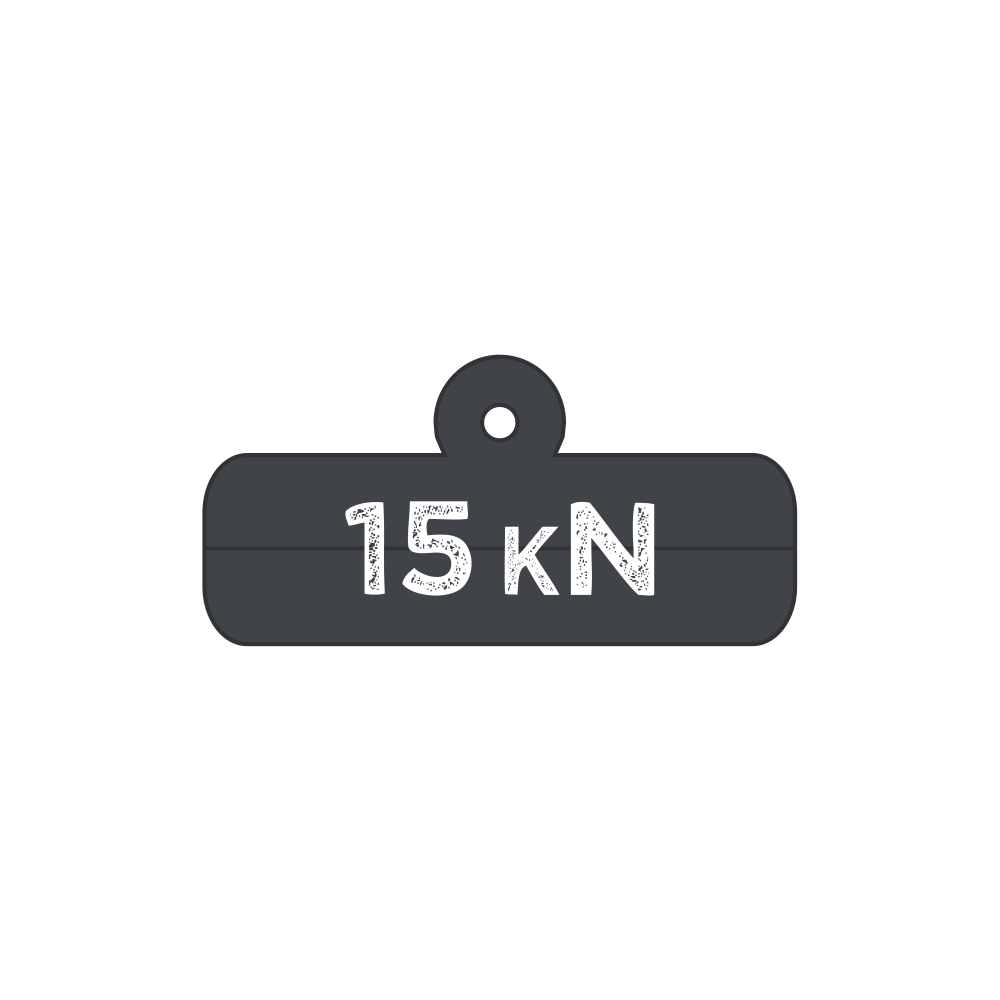
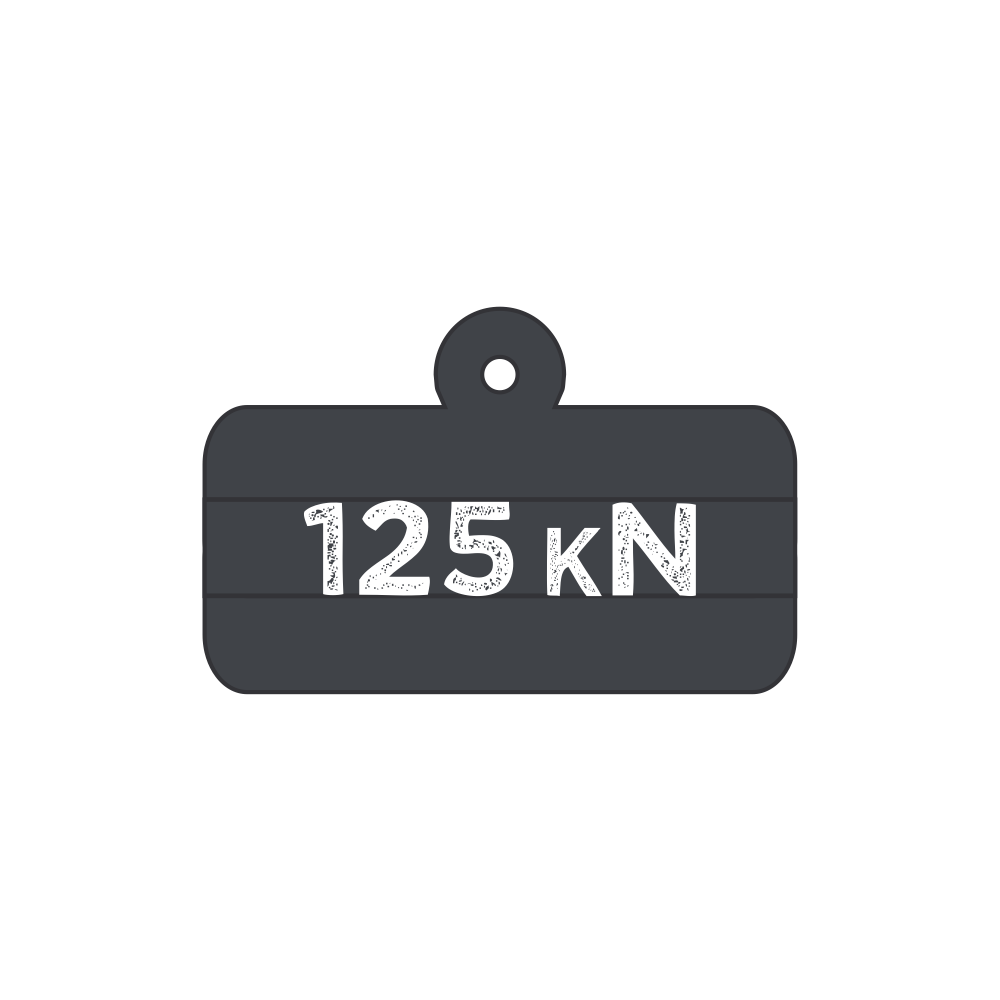
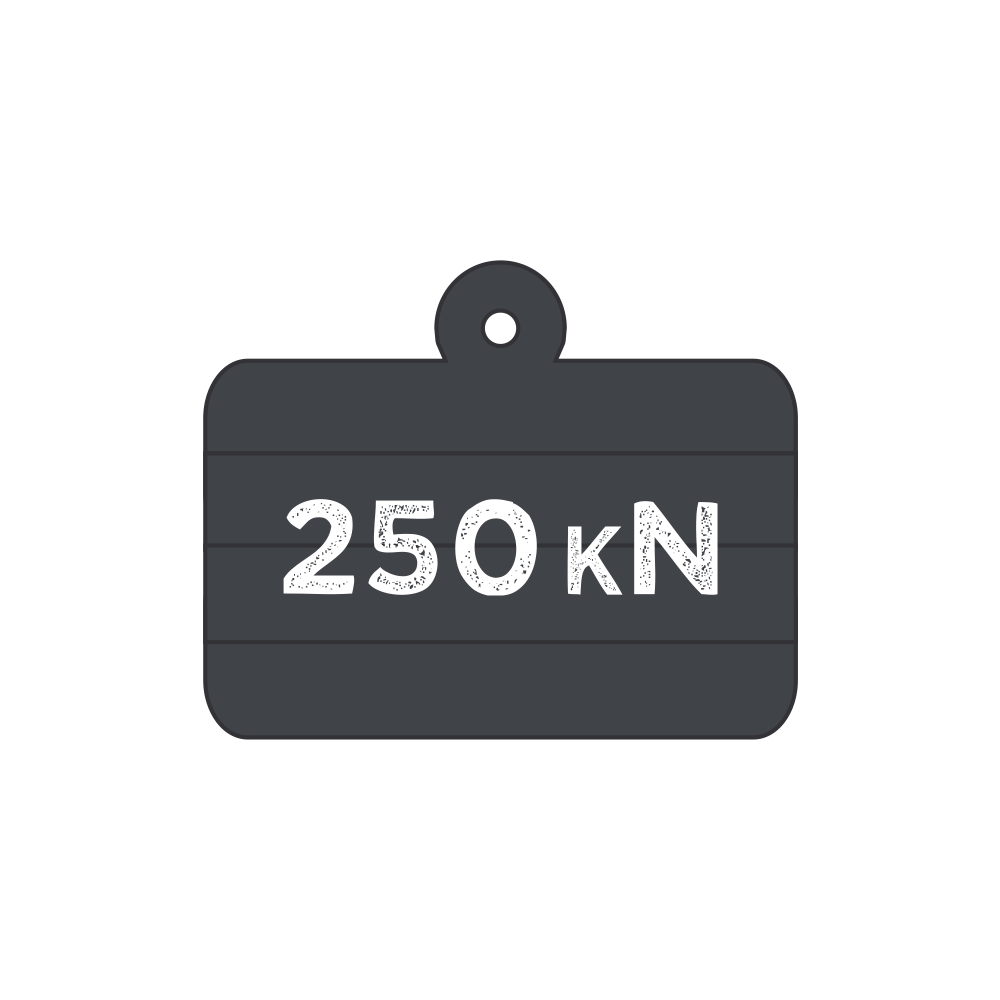
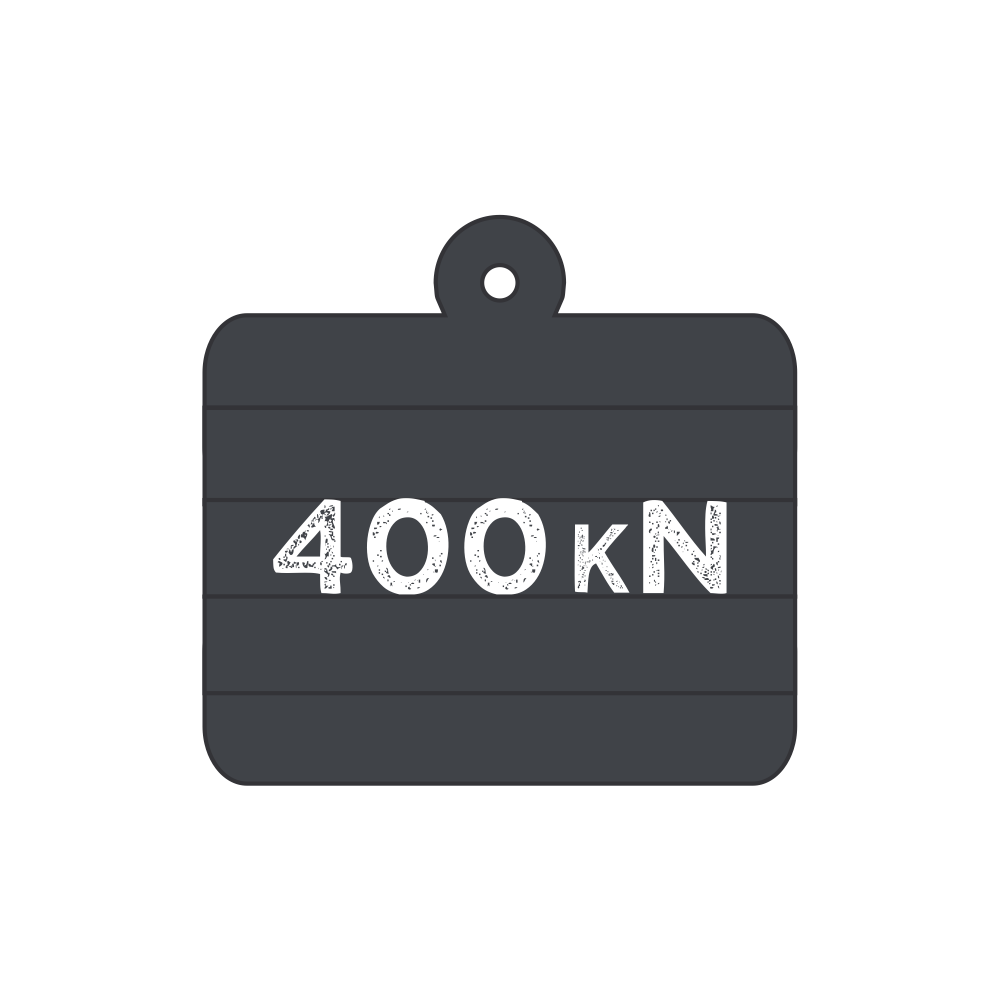
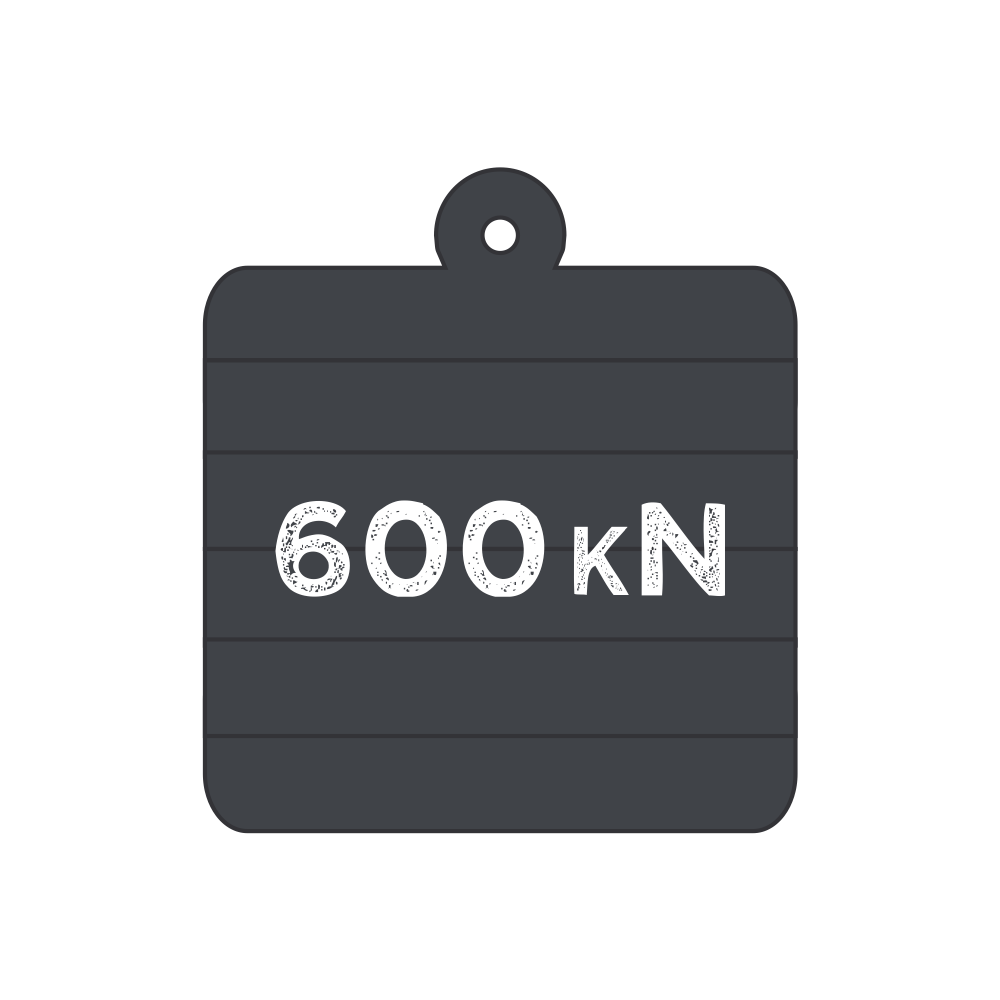
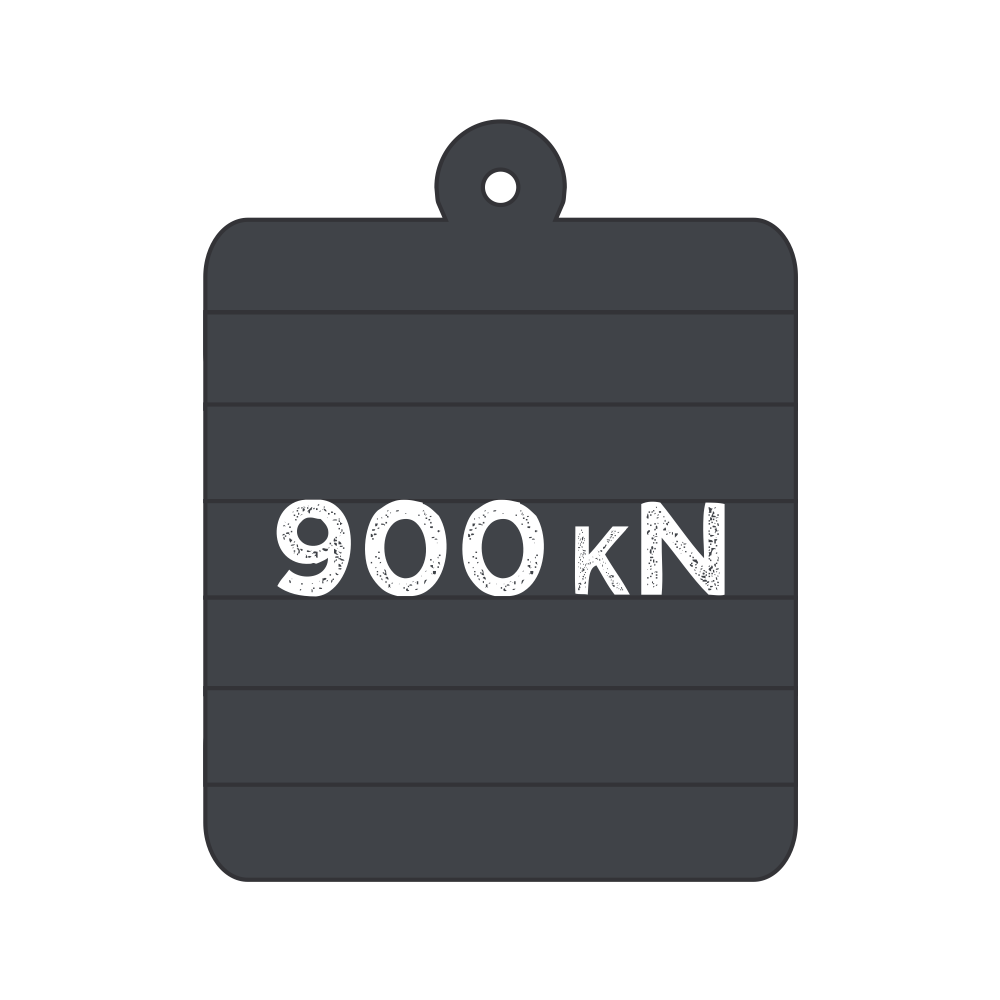
Load bearing tolerance (or load capacity) is categorised into six standard Load Classes that are defined by BS EN 1433, which sets out the performance characteristics required in order to fulfil the loading requirements of the channel for exposure to specific types of traffic, ranging from pedestrian foot traffic up to exceptionally heavy vehicular traffic such as forklift trucks & aeroplanes.
| INSTALLATION AREA |  |
 |
 |
 |
 |
 |
| Pedestrian Areas
(Group 1) |
Car Parks & Parking Decks (Group 2) |
Parking Areas & Road-side (Group 3) |
Roadways
(Group 4) |
Industrial
(Group 5) |
Industrial & Special Areas (Group 6) |
|
| CLASS | A15 | B125 | C250 | D400 | E600 | F900 |
Fig 1. Table of standard weight load classes & typical installation areas (N.B. only a general guide as installation area suitability may vary depending on your project specific requirements).
Channel Runs
Level channel runs are usually chosen for short runs of Channel Drainage serving relatively small catchment areas (for example a single-space residential drive-way). However a level channel run may be less suitable as the catchment area increases & the complexity of the run-off requirements increase. Site specific conditions should be factored in as part of the overall drainage design to ensure a drainage system befitting of the surroundings.
Important deciding factors include, anticipated volume and intensity of run-off water from precipitation (rain, snow etc..), the surface conditions, site levels and the size catchment area/s. All these factors and more may lead to a requirement for longer runs of channel drainage which subsequently require a built-in fall to encourage water to drain away more quickly to prevent backing up.
EBP Building Products have options that include level, linear fall, stepped fall as well as mixed fall runs, were even longer runs can be created from mixing different types of fall. See below for details;
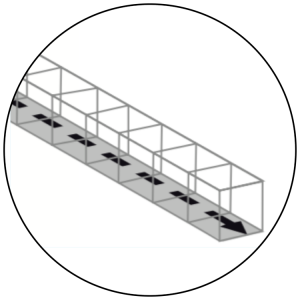
LEVEL – NO FALL
A straight channel run, when no fall is needed or the natural fall suffices
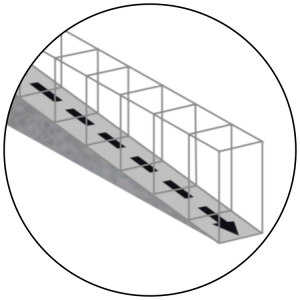
LINEAR FALL
Channel runs with an integrated inear fall at a continuous gradient of 0.5%. Standard runs with lengths of up to 20 metres are possible. Runs up to 30 metres with fall are available on request.
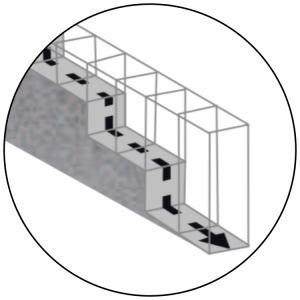
STEPPED FALL
Channel runs for cost-effective, efficient and uniform drainage are constructed by combining no fall channel elements of different heights with fall channels.

MIXED FALL
A combination of the previous systems (i.e. level, linear & stepped falls), to be considered where drainage is required over long-length stretches.
What Is Available?
EBP Building Products stock a wide range of channel drainage systems, for further details you can access our Technical Drainage Manual. Our technical sales team are also on hand to assist with your enquiries; phone 01254 52244 or email team@ebpbuilding.com
View EBP’s range of channel drains & accessories